About HDPE pipe tee
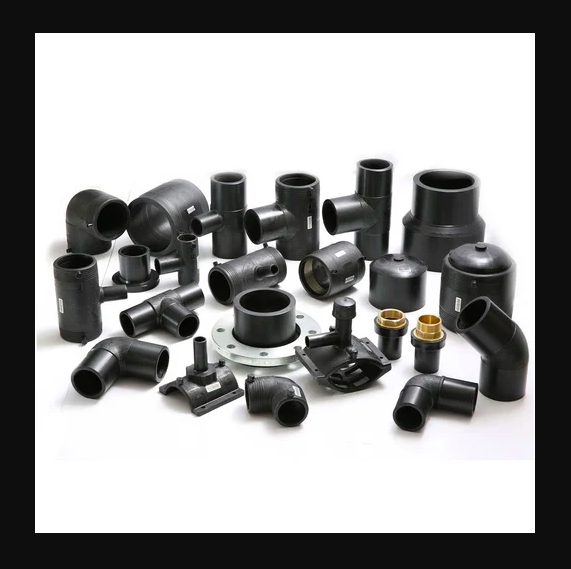
An HDPE pipe tee is a T-shaped fitting used to connect, divide, or merge fluid flow in three directions across an HDPE piping network. Made from durable, corrosion-resistant, and chemically inert polyethylene, these tees are available in equal and reducing configurations
Key Features of HDPE Pipe TeeThis HDPE pipe tee is engineered for durability, chemical resistance, and secure connections. Its UV-stabilized material and corrosion-proof design make it ideal for both above-ground and underground installation. With a smooth internal surface, it minimizes flow resistance, supporting efficient water, sewage, and industrial fluid transport. The variety of end connections ensures compatibility with multiple piping systems.
Applications Across IndustriesThe HDPE pipe tee is versatile, serving water supply, irrigation networks, sewage handling, and various industrial piping setups. Its robust chemical and leak resistance guarantee reliable performance in challenging environments. Its adaptability, from 20 mm to 315 mm diameters and different connection options, provides a solution for small and large-scale projects alike.
FAQ's of HDPE pipe tee:
Q: How is the HDPE pipe tee installed?
A: The HDPE pipe tee can be installed using butt welding, electrofusion, socket, or spigot connections. Installation depends on the piping system and follows standard procedures to ensure leak-proof joints and long-lasting performance.
Q: What benefits does the HDPE pipe tee offer over metal fittings?
A: HDPE pipe tees are corrosion-resistant, lightweight, and chemically inert, which extends their service life up to 50 years. Unlike metal fittings, they are immune to rust and scale buildup, making them suitable for a wide range of liquids and harsh environments.
Q: When should a tee fitting be used in a piping system?
A: A tee fitting is used when a branch connection is needed to split or combine fluid flow within a pipeline. It is commonly implemented in water supply, irrigation, drainage, or industrial fluid networks where the direction of flow requires alteration.
Q: Where are HDPE pipe tees commonly applied?
A: HDPE pipe tees are extensively used in municipal water supply systems, agricultural irrigation, sewage management, and various industrial fluid delivery systems throughout India and globally.
Q: What is the hydrostatic test pressure capability of this tee?
A: The HDPE pipe tee can withstand hydrostatic test pressures up to 1.5 times the rated pressure, providing a significant safety margin and ensuring integrity under operating conditions (with standard pressures ranging from PN 6 to PN 16).
Q: How does the UV stabilization benefit outdoor installations?
A: The UV-stabilized construction of the HDPE pipe tee protects it from degradation caused by sunlight, making it suitable for long-term outdoor exposure without loss of mechanical properties or appearance.
Q: What is the process for selecting the correct size tee?
A: To choose the correct HDPE pipe tee, consider the diameter and thickness required for your application-ranging from 20 mm to 315 mm in diameter and 2 mm to 30 mm in wall thickness. Confirm compatibility with your pressure requirements (PN 6 to PN 16) and ensure the selected connection type matches your piping system.




 Send Inquiry


 Send Inquiry